Discovery engagement
Public data intelligence
A reproducible search and appraisal of public functional-genomics data relevant to a research question, producing a study landscape and analysis-ready shortlist where possible.
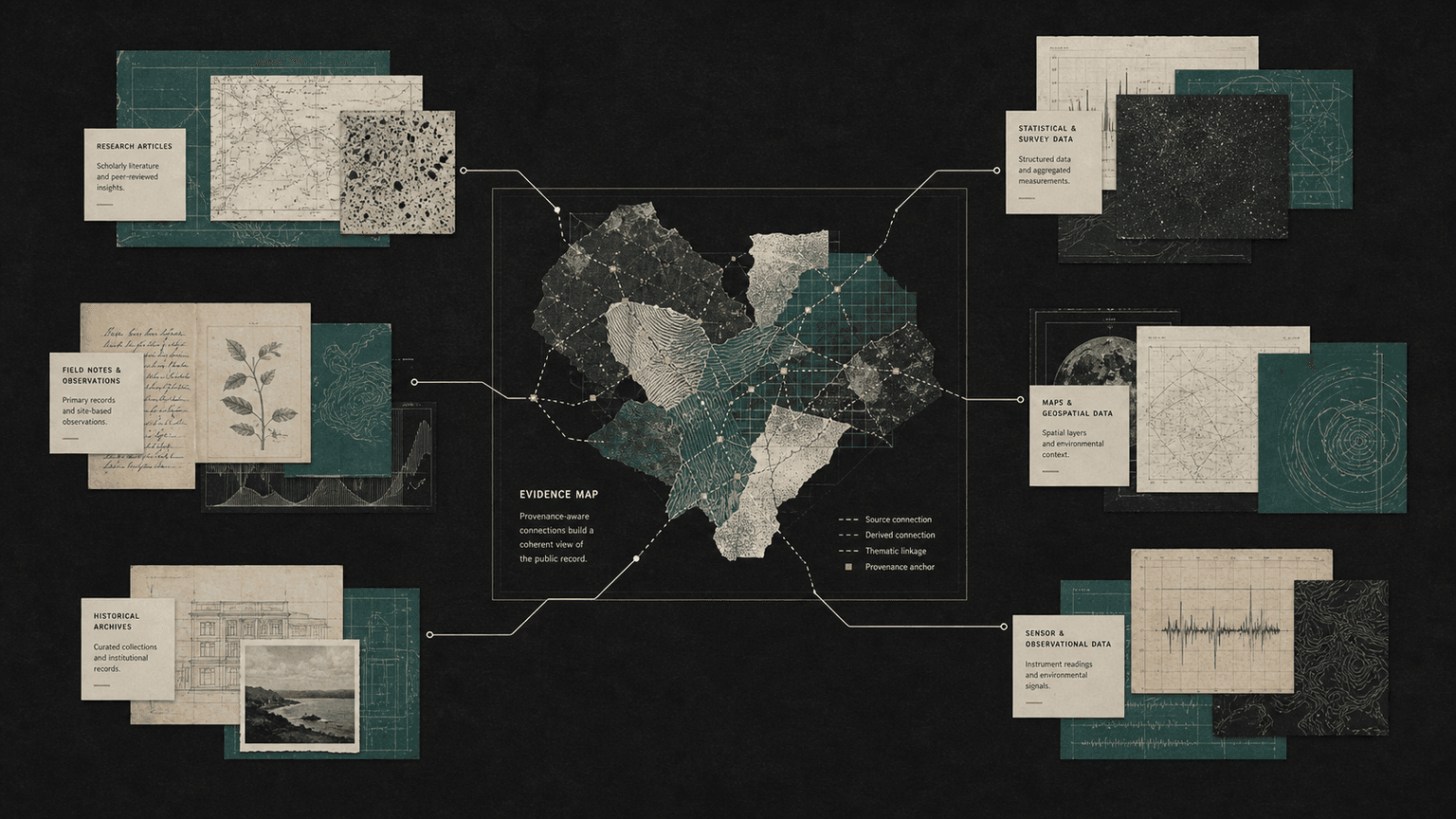
01
Scientific problem
Public repositories contain relevant studies, but search results alone do not show whether metadata, sample context, platform, phenotype definitions and available files are suitable for reuse.
02
Appropriate users
Research groups planning a new study, evaluating feasibility, seeking external evidence, or deciding which public datasets warrant deeper analysis.
03
What ASR does
Translate the question into a documented search protocol; search agreed repositories and record accessions/provenance; screen studies using agreed eligibility criteria; appraise metadata, sample context, platform and available data products; produce an analysis-readiness shortlist; optionally conduct a separately scoped exploratory analysis. Exclusions: No guarantee that suitable public data exists or that studies are comparable. Repository records are third-party submissions and must be interpreted with their documented limitations.
04
Typical inputs
Disease/phenotype, organism, tissue/specimen, molecular modality, study-design requirements, inclusion/exclusion criteria, intended decision and known accessions or publications.
05
Outputs
Search protocol and dated source register; study-screening table and eligibility decisions; metadata/analysis-readiness assessment; shortlist of relevant accessions and data products; evidence landscape and limitations brief; optional analysis proposal.
06
Typical timeline
Set after question and repository scope are agreed
07
Engagement model
Fixed-scope evidence/data landscape; optional follow-on analysis